History Of The Royal George
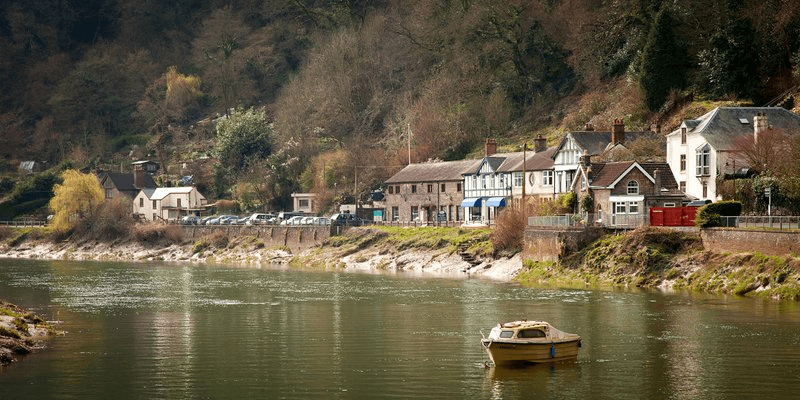
In the heart of Tintern, The Royal George is more than a place to stay. Its stone walls have witnessed centuries of change, from the industrial beginnings of the Wye Valley to the arrival of early tourists drawn to its dramatic landscape.
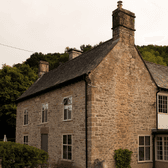
The oldest part of the building dates to 1598, making The Royal George one of the historic landmarks of the village. Today, original architectural details and weathered stonework remain part of the building’s character, connecting the hotel to the centuries that came before it.

From 1598: Tintern's Industrial Heritage
When The Royal George first took shape, Tintern was developing a reputation for something very different from the picturesque destination we know today.
During the 16th and 17th centuries, specialised ironworking processes were developed in the area, helping establish Tintern as an important centre for wire production. The building itself became connected to this industrial story: in 1704, the house was enlarged by Richard White, owner of the Old Wire Works, who remained its owner until 1752. Robert Thompson, the new manager of the Old Wire Works, subsequently lived there until 1820.
The Birth of the Wye Tour
Then came a new chapter in Tintern’s story: tourism.
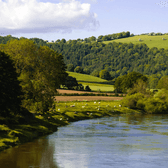
In 1770, artist and clergyman William Gilpin travelled down the River Wye, recording the landscape in sketches and notes. His observations were later published as Observations on the River Wye in 1782, introducing his influential idea of the Picturesque. A way of seeing beauty in rugged landscapes, ancient ruins, and the natural world.
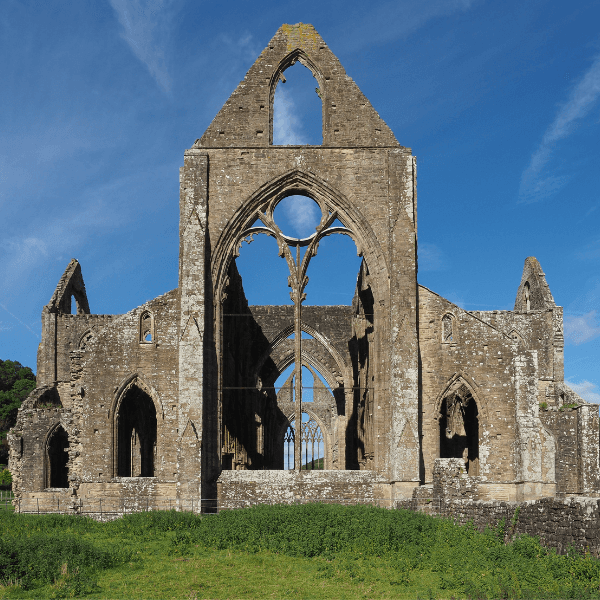
Gilpin’s Wye Tour became one of Britain’s earliest tourist walks, encouraging 19th-century visitors to experience the valley for themselves. Tintern’s landscape and its famous Abbey became part of a new kind of travel, where scenery itself was the destination.
From Country House to Hotel
The arrival of the Wye Valley Turnpike in 1829, running alongside The Royal George, helped make Tintern considerably more accessible and significantly increased visitors to the village.
The building subsequently became a hotel, with its conversion recorded in 1835. By the Victorian era, The Royal George was firmly established as a destination for travellers exploring Tintern Abbey and the Wye Valley.
By 1888, various advertisements promoted the hotel, highlighting its accommodation, nearby fishing, and even a dedicated dark room for photographers. A small detail that captures how Tintern had become a destination for Victorian travellers and early tourists.
HMS Royal George
The name of The Royal George also carries a maritime connection. HMS Royal George was a first-rate ship of the Royal Navy, carrying 100 guns across three decks and, at the time of her launch on 18 February 1756, was the largest warship in the world.
Built at Woolwich Dockyard over a decade, the vessel became one of the most formidable ships of her era. The connection is brought to life at The Royal George through the Deane Suite, named after John and Charles Deane, the pioneering brothers who later explored the wreck of HMS Royal George and helped open a new chapter in underwater exploration.
The Heritage Rooms
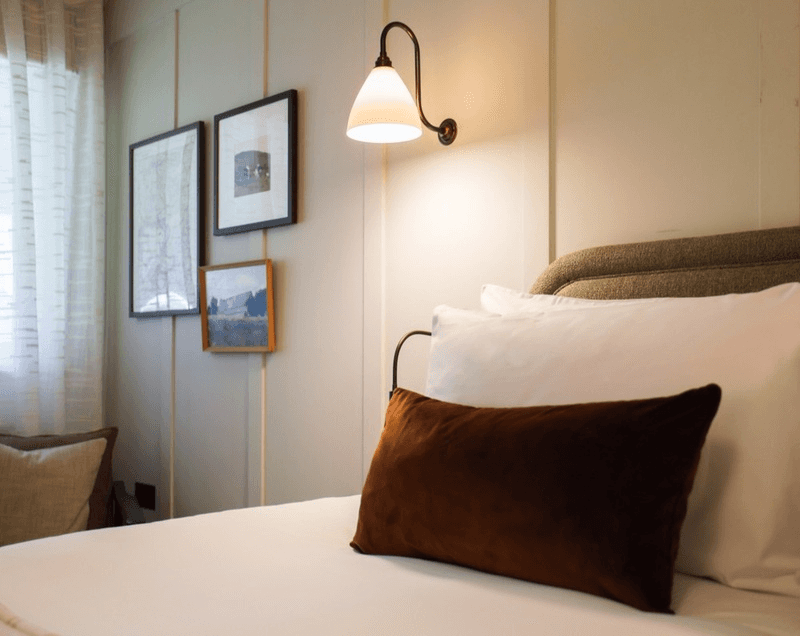
The Royal George’s Heritage Rooms bring the building’s story into the experience of staying here, with each room paying tribute to a distinctive character whose life reflects the spirit of the region.
Gilpin, Cranogwen, Deane Suite, Beaufort Suite, and Lady Rhondda each have their own story and identity, creating a collection of spaces that celebrate curiosity, discovery, ambition, and individuality. Together, they offer a more personal way to experience the history surrounding The Royal George, not simply through the building itself, but through the people whose lives and achievements continue to give the area its character.
Four Centuries Later
The Royal George has continued to evolve alongside Tintern itself.
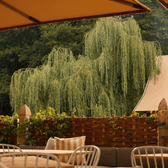
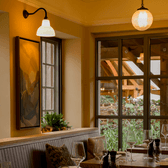
Today, original wood beams, historic stonework, and preserved architectural details sit alongside contemporary interiors and modern hospitality. The building has changed, but its connection to Tintern remains.
More than four centuries after its earliest origins, The Royal George is still doing what it has done for generations: welcoming people to Tintern and giving them a place from which to experience the extraordinary landscape of the Wye Valley.
Read more posts